

The pharmaceutical industry plays a critical role in protecting public health by developing, manufacturing, and delivering medicines that improve and save lives. Patients trust pharmaceutical companies to provide medicines that are safe, effective, and reliable. To maintain this trust, pharmaceutical companies follow strict quality standards, scientific processes, and regulatory guidelines at every stage of production.
Today, many businesses also rely on third party manufacturing pharma companies to produce high-quality medicines efficiently while maintaining international safety standards.
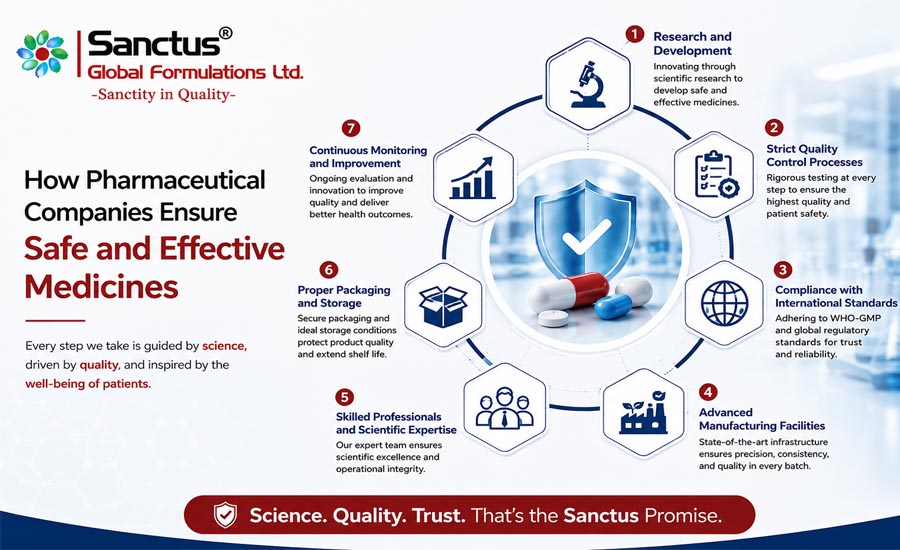
Research and Development
Every medicine begins with extensive research and development (R&D). Scientists and researchers study diseases, identify treatment solutions, and develop formulations that can safely deliver the desired medical results.
Before any medicine reaches the market, it undergoes multiple stages of testing to evaluate:
- Safety
- Effectiveness
- Dosage accuracy
- Possible side effects
- Stability and shelf life
This process helps ensure that medicines meet medical and regulatory standards before public use.
Strict Quality Control Processes
Pharmaceutical companies follow rigorous quality control procedures throughout manufacturing. Every batch of medicine is tested to ensure it meets required specifications.
Quality control includes:
- Raw material testing
- In-process quality checks
- Finished product analysis
- Packaging inspection
- Stability testing
These procedures help prevent contamination, dosage errors, and product inconsistencies.
Reliable third party manufacturing pharma companies also follow the same strict protocols to ensure that products are safe, effective, and compliant with regulatory requirements.
Compliance with International Standards
Reputable pharmaceutical companies comply with national and international regulatory standards such as:
- WHO-GMP (World Health Organization – Good Manufacturing Practices)
- ISO certifications
- FDA regulations
- Other country-specific pharmaceutical guidelines
These standards ensure that medicines are manufactured in hygienic, controlled, and scientifically approved environments.
Many third party manufacturing pharma companies invest heavily in certified manufacturing facilities to maintain global quality standards and support pharmaceutical brands worldwide.
Advanced Manufacturing Facilities
Modern pharmaceutical manufacturing facilities use advanced technology and automated systems to maintain precision and consistency.
Controlled environments help reduce risks related to:
- Cross-contamination
- Human error
- Environmental exposure
- Product instability
Automation and digital monitoring systems further improve manufacturing accuracy and efficiency.
Leading third party manufacturing pharma companies use advanced machinery and modern infrastructure to deliver high-quality pharmaceutical products on time.
Skilled Professionals and Scientific Expertise
Pharmaceutical companies employ highly trained professionals including:
- Pharmacists
- Chemists
- Microbiologists
- Quality analysts
- Regulatory experts
Their expertise ensures that every product is developed and manufactured according to strict medical and scientific standards.
Proper Packaging and Storage
Medicine safety does not end after manufacturing. Proper packaging and storage are essential to maintain product quality and effectiveness.
Pharmaceutical companies use secure packaging materials that protect medicines from:
- Moisture
- Heat
- Light
- Contamination
Clear labeling, dosage instructions, batch numbers, and expiry dates also help ensure patient safety.
Continuous Monitoring and Improvement
Even after products enter the market, pharmaceutical companies continue monitoring medicine performance through pharmacovigilance and customer feedback systems.
This helps companies:
- Identify rare side effects
- Improve formulations
- Maintain product quality
- Ensure long-term patient safety
Continuous improvement is a key part of responsible pharmaceutical manufacturing.
Conclusion
Ensuring safe and effective medicines requires a combination of scientific research, strict quality control, regulatory compliance, advanced technology, and skilled professionals. Both pharmaceutical brands and third party manufacturing pharma companies play an important role in maintaining the highest standards of safety and reliability.
As healthcare needs continue to grow globally, the pharmaceutical industry remains committed to delivering trusted medicines that improve patient outcomes and support healthier communities worldwide.